|
Help | | | News | | | Credits | | | Search | | | Guestbook | | | Forum | | | Shop | | | Contact Us | | | Welcome |
Westwood Works 1903-2003 |
|||||||||||||||||
The rapid development of Westwood Works in the first half of the last century demanded the provision of housing for its growing number of employees. Two major events, the amalgamation of Perkins Engineers Ltd and Joseph Baker & Sons in 1919 together with the subsequent closure of the Willesden factory in 1933, and the return of Westwood employees from active service in 1945, resulted in significant investment in local housing developments.
(The appelation "Rhubarb" given to the railway bridge crossing Lincoln Road, just south of Willesden Avenue, was derived from the tons of earth taken from neighbouring farms used to build the embankments. This earth contained, amongst other plant life, rhubarb roots. For many years each side of the railway track was covered in rhubarb. It took a long time to get it under control).
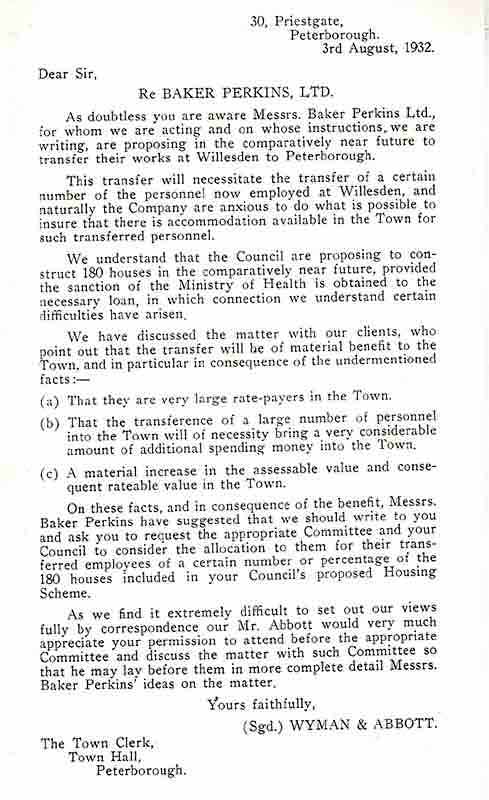 |
1932: Letter to Peterborough Council requesting accommodation for Willesden employees moving to Peterborough. |
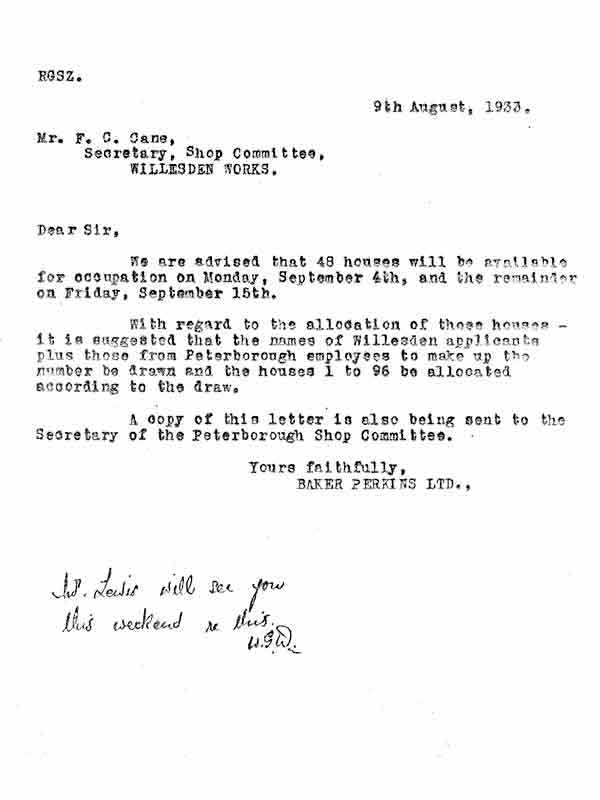 |
1933: Letter to Willesden Shop Committee confirming that housing for Willesden employees moving to Peterborough would be available. |
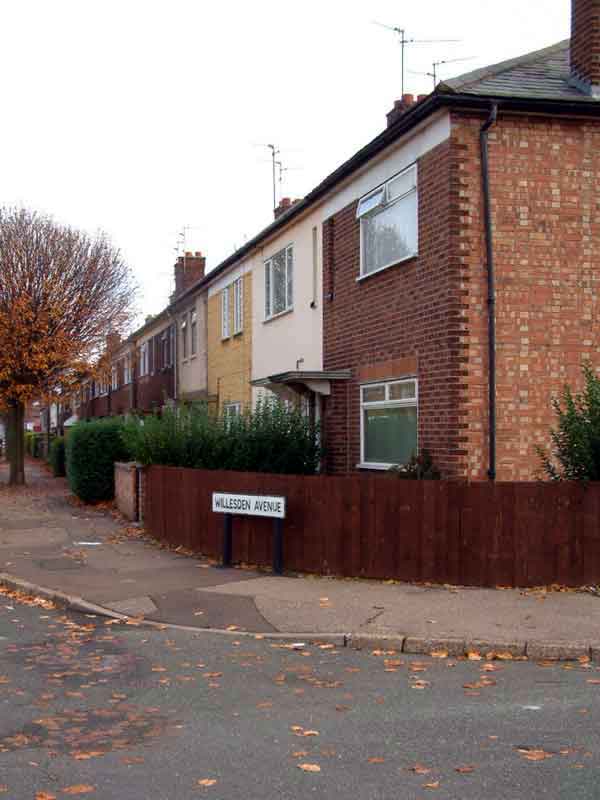 |
Although at the time, Willesden Avenue had a direct connection on to Lincoln Road, it became a cul-de-sac when the railway line over Rhubarb Bridge was demolished in the early '70s to make way for a major road interchange on the new Soke Parkway system. This railway was originally the Midland & Great Northern Joint line to Melton Constable, Sheringham, Norwich and Yarmouth. |
The first person to move into Willesden Avenue, taking up residence in No 1, was Ben Bingham. Ben started work as a tea boy in the despatch department at Peterborough, moved to Willesden at the age of 21 to start a spares despatch operation there, then moved back to Peterborough when the Willesden factory merged with Westwood in 1933. It is understood that well over 90% of the other residents of Willesden Avenue worked at Westwood. The street became the start/terminus of the twice-daily bus service to Westwood (See Getting to Work) The showhouse for the development was No 5 and was allocated to Mr Charles Bryant and his family.
The Willesden Avenue Estate encompassed Willesden Avenue, Montague Road and Fane Road. - 264 houses for artisans being erected on these three streets as well as four shops. P.& D. Estates Ltd were responsible for the development, the roads being constructed by Messrs Hawkins & Son and the houses erected by Messrs Blood & Kendrick under the supervision of Messrs Craig & Co.
(See also Willesden to Peterborough)
Brackley Close |
|
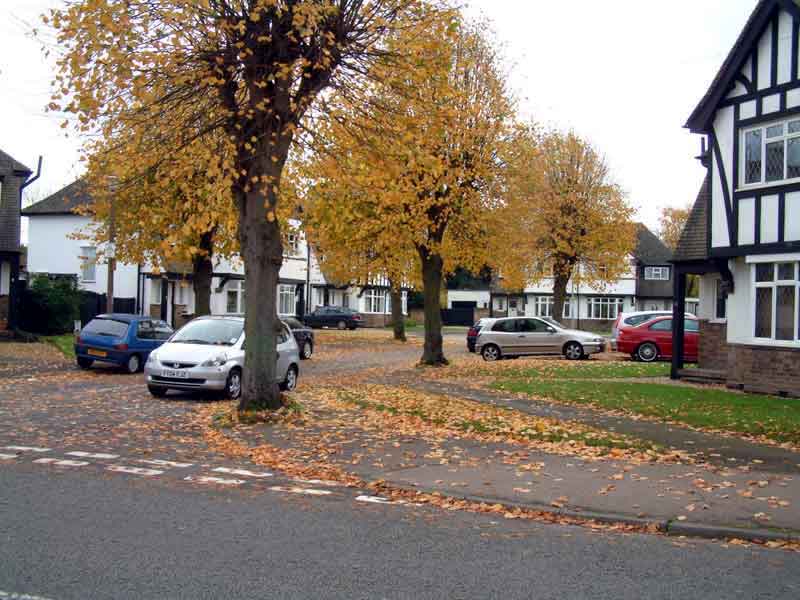 |
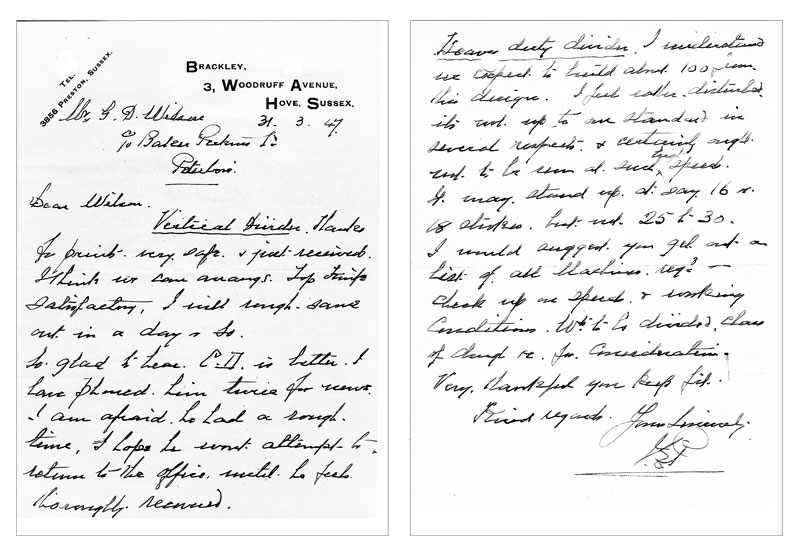
John Pointon who, in 1896, invented the bread dough divider at the heart of the WP&P business success and who was a Director of Joseph Baker Sons & Perkins/Baker Perkins from 1920 to 1953, had Brackley Close built - a cul-de sac off Thorpe Park Road, opposite the Grange Playing Fields. This was used to house a number of the executives who had made the move from Willesden. It is thought that John Pointon chose the name "Brackley Close" after his seaside home in Hove, Sussex. (See his letter to G.D. Wilson below).
|
Dogsthorpe |
|
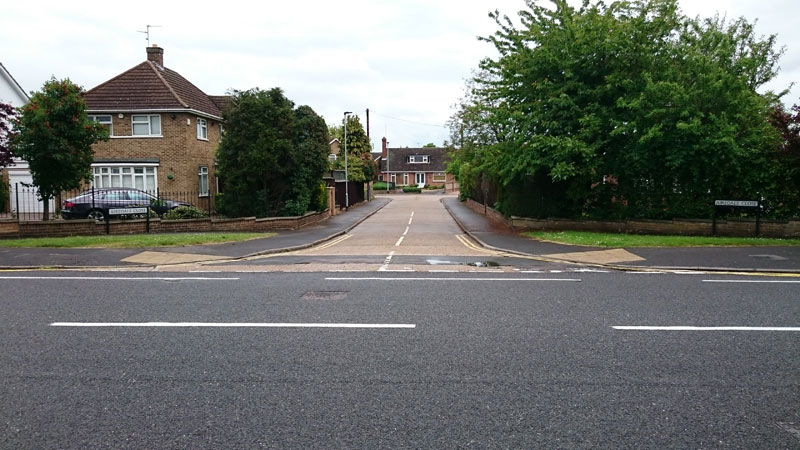 |
According to the 1890 Kelly's Directory, John Pointon himself lived in Dogsthorpe in" Airedale"," a substantial" house on Dogsthorpe Road (SEE BELOW). Today no trace remains of"Airedale" in Dogsthorpe Road but Kelly's indicates that John was living there in 1910. It is believed that the house existed until the 1960s when it was demolished to make way for Airedale Close. The 1910 Kelly's Directory also lists another WP&P director - Josh Booth - as living in the Dogsthorpe area. |
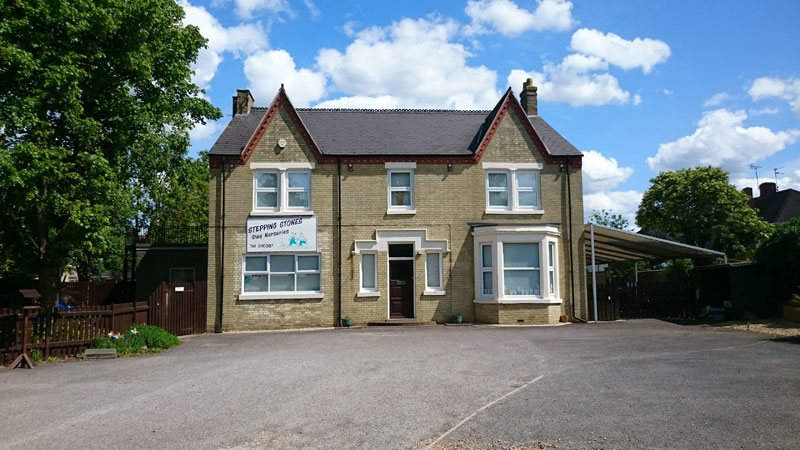 |
This is the Manor House in Welland Road, Dogsthorpe (now Stepping Stones Day Nursery).Built in around 1905 to replace an earlier (16th century) Manor House but not necessarily at exactly the same spot. The 1905 building date suggests it is likely that Joshua and Annie Booth and their family were the first inhabitants. |
The Gables |
|
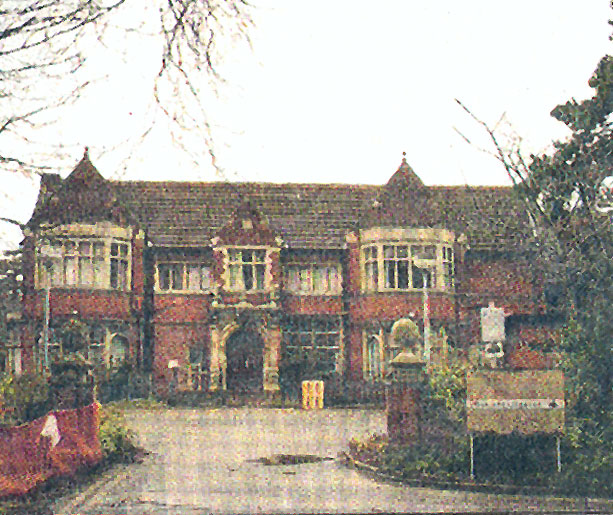 |
"The Gables", an imposing building in Thorpe Road, known to many Peterborough mothers and their offspring as a maternity home, was built in 1895 for local coal merchant J.H. Beeby. After Mr. Beeby died in 1924, his widow continued to live in the house until 1933 when George Ralph Baker - a director of Baker Perkins and son of George Samuel Baker - acquired the property following the move of Joseph Baker & Sons to Peterborough from Willesden. George Ralph Baker retired in 1953 and died in 1963, by 1968 the building had become a maternity hospital but was converted two years later for use as a psychiatric day centre. The building has now been granted Grade II listed status. |
Leinsters |
|
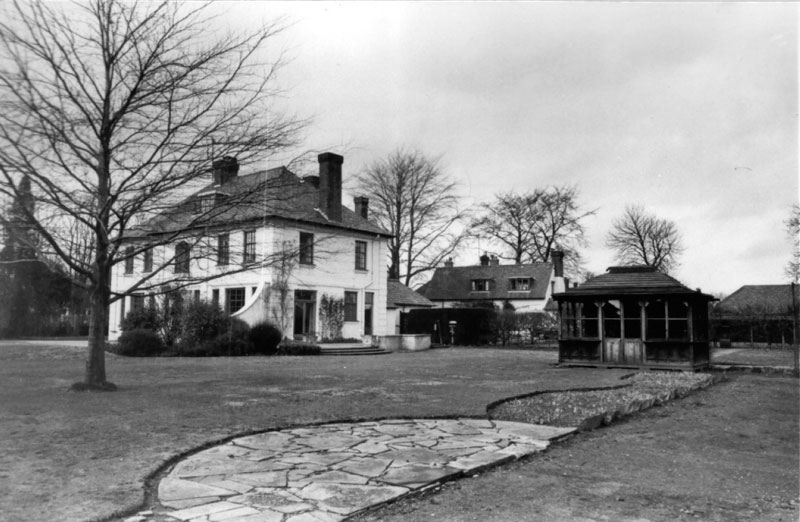 |
Leinsters (now named "Westwood House"), is situated in a small cul-de-sac off Westwood Park Road, Peterborough, named "Leinsters Close". Mary Jo Darrah (Sir Ivor Baker's daughter) remembers: "Leinsters was built in 1923 - 4 by Joe S Baker. He moved to Peterborough in 1923 after the merger with WP & P to try to create a good relationship between the firms. I am not sure whether he volunteered or was asked. He was in charge of sales. He decided to build on what was then the edge of the city, close to the Works to avoid commuting, and the architect was Kenneth Broad, a brother officer of Joe's, whom he wanted to help establish himself after the war. Joe had been a major in the Leinster Regiment in WW1 until he was wounded in the leg. They had named their previous house in Bushey Leinster Cottage after his regiment and they decided to call the new house Leinsters. Joe and his wife Sibyl did a great deal of entertaining there, both of family and business colleagues and customers. When Joe decided to move to London after the end of the 2nd world war he was very keen that my parents should move into Leinsters; they agreed to buy it and we moved in in the autumn of 1945. My parents stayed there until my father retired in 1975. My parents hoped that a group of doctors might buy it for a nursing home, but in the end had to sell it in 1977 to a developer who built several houses in the garden, though Leinsters itself survived. The attached photo was taken when we left. We children much enjoyed living there - it had a tennis court and billiard room, and also a heated indoor swimming pool, installed later by Joe as therapy for his wounded leg. However it had at least 2.5 acres of garden, so it was expensive to maintain. Jonny & Archie were able to get to Westwood House School (now called The Peterborough School), through a gate in our garden, which backed on to the school grounds, Before becoming a school, this house had been the home of the Bryants who ran Peter Brotherhood, ( Peter Bryant's paternal grandfather)". |
The Prefabs |
|
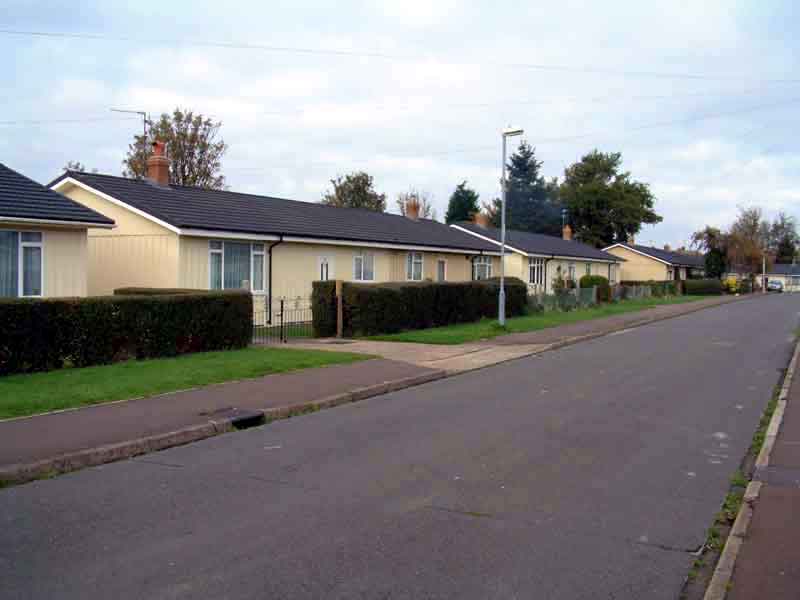 |
Although Peterborough's housing stock came through WW2 with relatively little damage, the need for new housing for servicemen returning from active service and for those married during the War, became a priority. Emergency action was needed and it came in the form of the "Peoples' Palace" - the Prefab. Designed only as temporary housing, these pre-fabricated homes, fitted with all "mod cons", represented a new way of living in post-war Britain. They have become an icon of post-war regeneration and, although built as an emergency measure at a cost of £1300 each, many are still being lived in 50 years after they were first constructed. Peterborough was given its fair share of Prefabs and many can still be seen in the City. 80 were built in Welland Close, 25 of which were allocated to Baker Perkins employees. Les Hill, ex-Fitting Shop Foreman, still lives in the prefab that he and his new wife moved into soon after WW2. |
Alma Road |
|
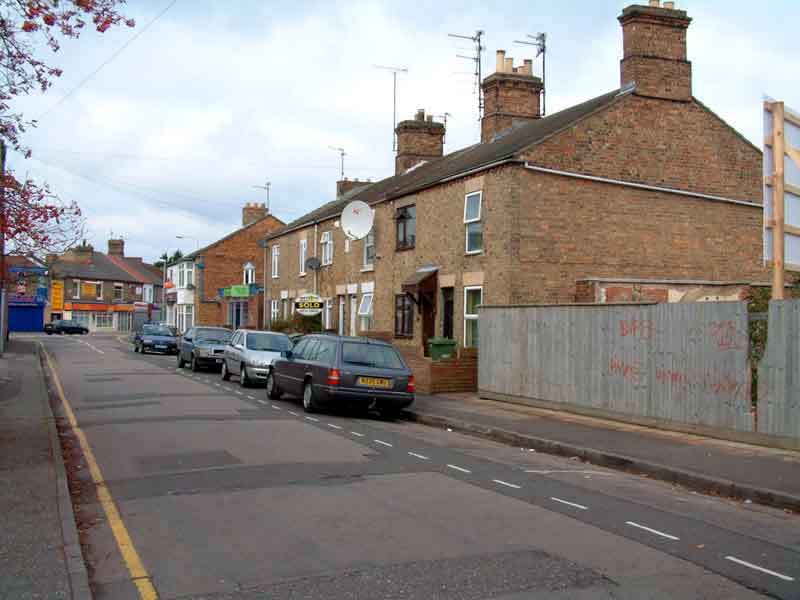 |
Baker Perkins purchased 12 houses in Alma Road, just after WW2, from the Landlord of the Fitters' Arms. These were let to Baker Perkins employees. The six on the Lincoln Road side of the Sports Club building were sold to the tenants in 1965/66 but, around this time, those on the other side of the Sports Club were demolished to make space for the Sports Club car park. The Baker Perkins Sports Club was sited where the grey fencing appears on the right hand side of the photograph. |
Housing for Dollar Earners |
|
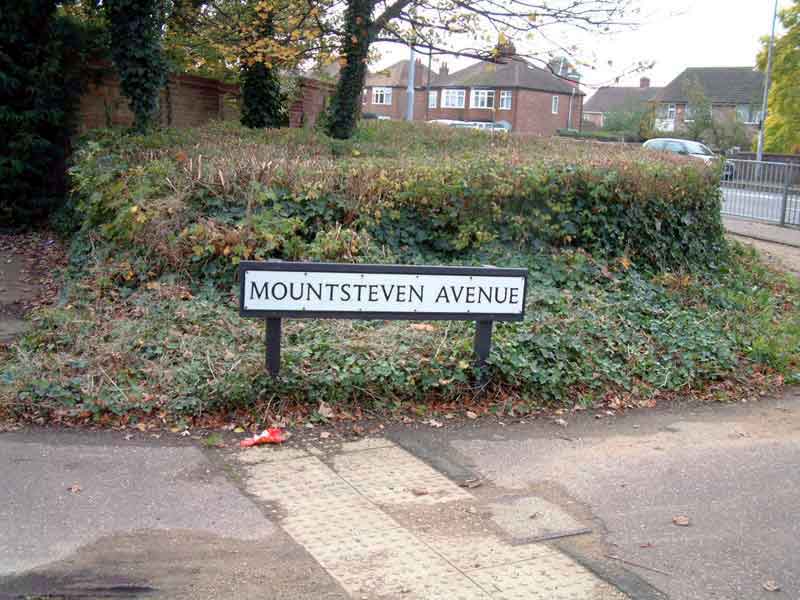 |
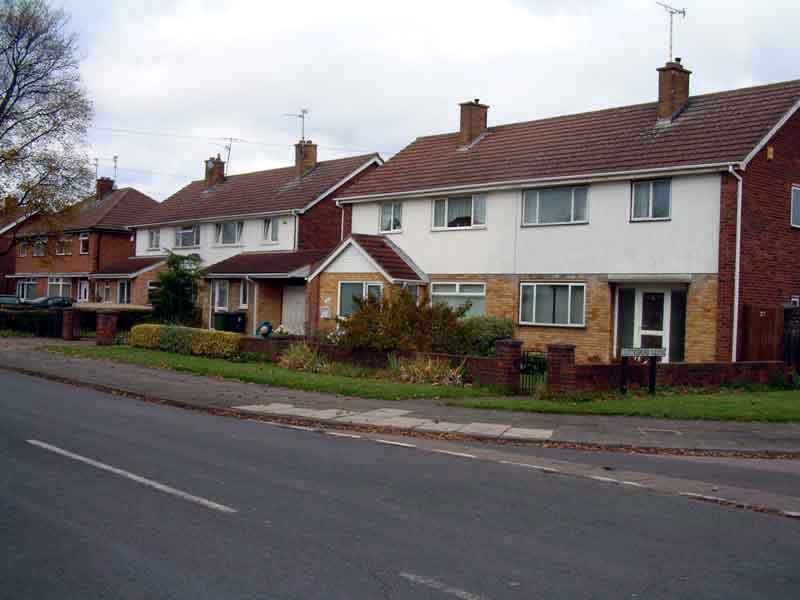
In 1952, twenty five Westwood employees were selected for housing under the "Housing for Workers in Dollar Earning Industries" scheme - part of the Government's post-war export drive. Whilst some houses were becoming available on the newly built Eastfield Estate, the Westwood people expressed a desire to await the completion of the Mountsteven Avenue Estate, then under construction by Chas. Shelton Ltd. |
The Self-Builders |
|
 |
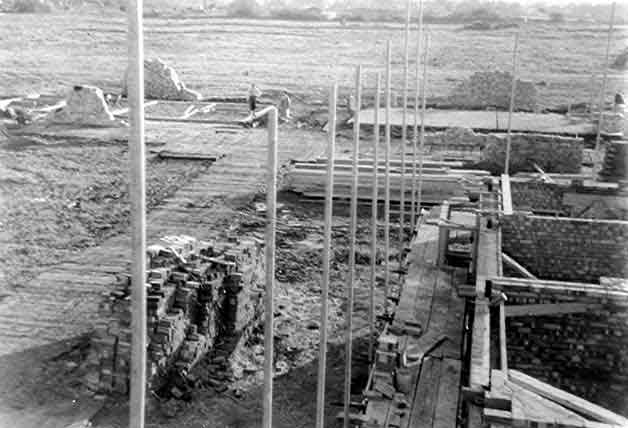
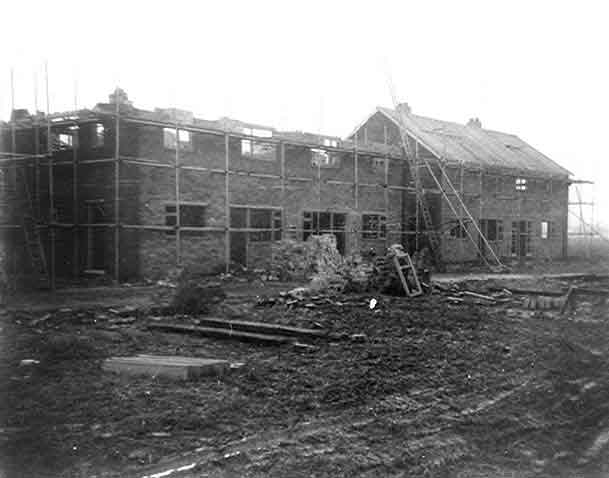
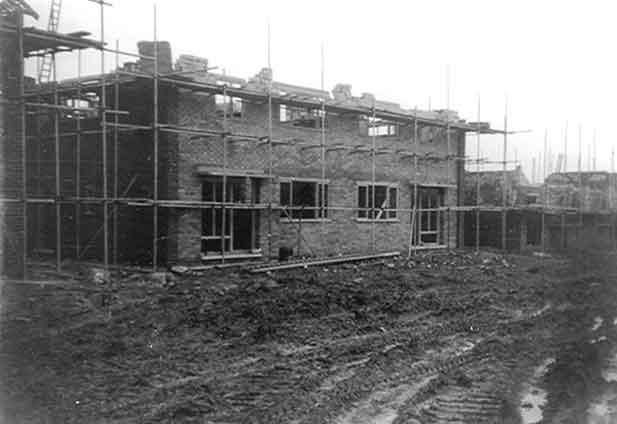
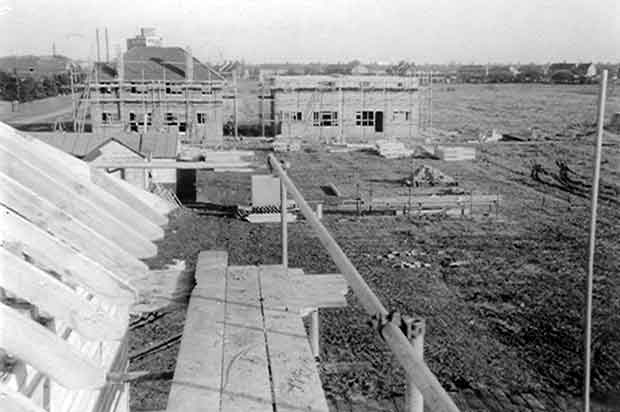
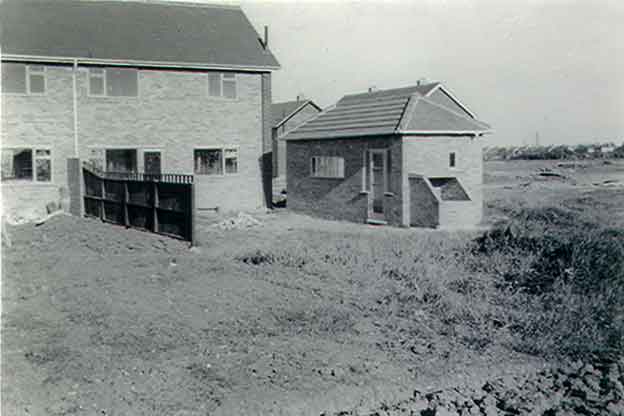
A group of 20 Westwood employees formed the Westwood (Peterborough) Self Build Housing Association Ltd in 1958, with the intention of building 20 houses for occupation by its 20 shareholders. Each member bought an identical number of shares and extra working capital was funded by an interest free loan from Baker Perkins. The building land was acquired from Netherton Building & Construction Co. and Peterborough City Council provided a block mortgage for the project.10 of the plots bordered on Atherstone Avenue, 4 on Cottesmore Close and 6 on Kildare Drive. This development was on a westerly extension to Westfield Road, just about in sight of the factory. It was a condition of the land sale from Netherton Building & Construction Ltd., that they built the outer "shells", the members being required to work a set number of hours per week to complete drains/soak-aways, internal walls and flooring, plumbing and electrics, plastering and glazing, etc. The allocation of plots and completion sequence was agreed at the outset of the project and each member was allowed to choose his own internal fittings. As each property was finished, it was rented to the occupier. Work took about 2 years to complete, following which the properties were individually mortgaged and the company was disbanded. At the time of writing (October 2004), 13 of the 20 houses were still occupied by the original owners. |
 |
|
Ihlee Close |
|
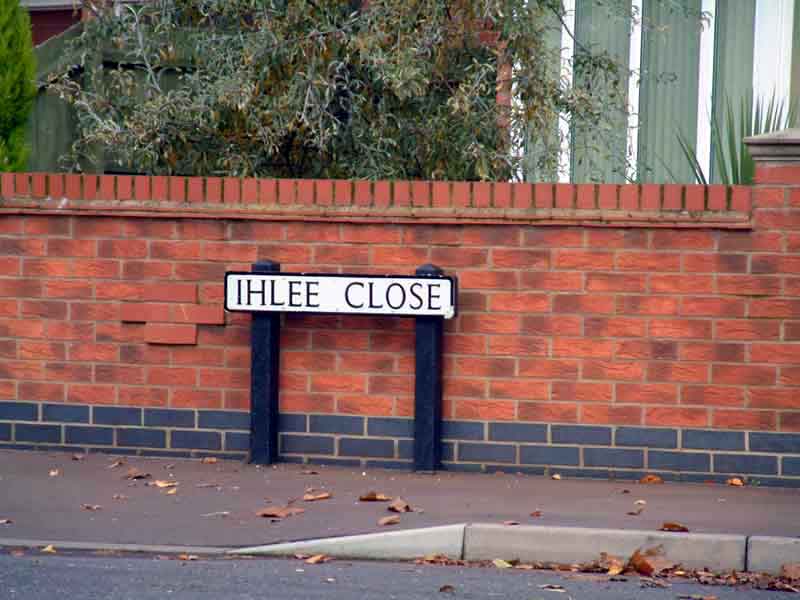 |
As a postscript to this section, it is interesting to note that Mr F.C. Ihlee, one time MD of Werner Pfleiderer & Perkins and, later, Director of Baker Perkins, lived at Paston Hall. A new development in the area, off Fulbridge Road, has been named Ihlee Close in his honour. |
All content © the Website Authors unless stated otherwise.